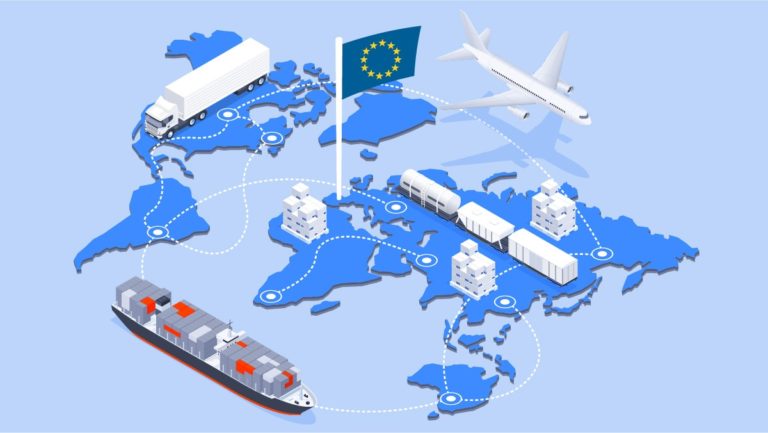


Streamline your operations and optimize your fleet’s performance with the right tools. Choose from a range of solutions to boost efficiency, reduce costs, and improve safety. Find the perfect Fleet Management Software for your business needs.

Key Takeaways:
- Fleet Management Software provides a centralized platform for managing all aspects of your fleet, from vehicle maintenance to driver performance.
- Choosing the right software depends heavily on your specific needs and the size of your fleet.
- Implementing robust Fleet Management Software can lead to significant cost savings and improved operational efficiency.
- Effective data analysis from your software is crucial for informed decision-making and proactive fleet management.
Choosing the Right Fleet Management Software for Your Business
The market offers a plethora of Fleet Management Software solutions, each with its own set of features and capabilities. Selecting the right one involves careful consideration of your business’s specific requirements. Factors to consider include the size of your fleet, the type of vehicles you operate, your budget, and your desired level of functionality. Some software packages cater to small businesses with basic tracking needs, while others provide advanced features for large enterprises with complex operational requirements. For instance, a small delivery service might only need basic GPS tracking and mileage logging, whereas a large logistics company might require sophisticated route optimization and driver behavior monitoring. Understanding your needs is the first crucial step in finding the right fit. We understand this process can be daunting, which is why we’re here to help you understand your options and make the best decision for your business.
Essential Features of Effective Fleet Management Software
Regardless of the size or type of your fleet, some core features are essential in any effective Fleet Management Software. Real-time GPS tracking provides visibility into the location and movement of your vehicles, enabling better route planning and efficient dispatch. Automated driver vehicle inspection reporting streamlines compliance procedures and reduces the risk of accidents due to mechanical failures. Fuel management features track fuel consumption, identify potential leaks, and help reduce overall fuel costs. Maintenance scheduling tools allow you to proactively schedule maintenance based on vehicle usage and odometer readings, minimizing downtime and extending vehicle lifespan. These features, when combined, offer comprehensive control and visibility, leading to improved efficiency and reduced operational expenses.
Improving Fleet Efficiency and Reducing Costs with Fleet Management Software
Implementing robust Fleet Management Software often yields substantial returns on investment. By optimizing routes, reducing idle time, and improving fuel efficiency, businesses can significantly lower their operating costs. The data provided by the software allows for informed decision-making, enabling proactive maintenance scheduling and preventing costly breakdowns. Improved driver behavior through monitoring and coaching can further reduce fuel consumption and accident rates. Accurate tracking and reporting capabilities simplify compliance with regulatory requirements, minimizing the risk of fines and penalties. The cost savings achieved through improved efficiency and reduced risks often outweigh the cost of the software itself, making it a valuable investment for many businesses. Us utilizing this software has changed the way we run our business.
Data Analysis and Reporting: The Power of Fleet Management Software
One of the most significant advantages of Fleet Management Software lies in its robust data analysis and reporting capabilities. The software collects a wealth of data on vehicle performance, driver behavior, fuel consumption, and maintenance costs. This data can be analyzed to identify trends, pinpoint areas for improvement, and make informed decisions about fleet operations. Customizable reports provide valuable insights into key performance indicators (KPIs), allowing businesses to track their progress, identify inefficiencies, and measure the return on investment of their fleet management strategies. This data-driven approach empowers businesses to optimize their operations, reduce costs, and improve overall fleet efficiency. The detailed information provided by the software allows us to make more strategic and informed decisions.