
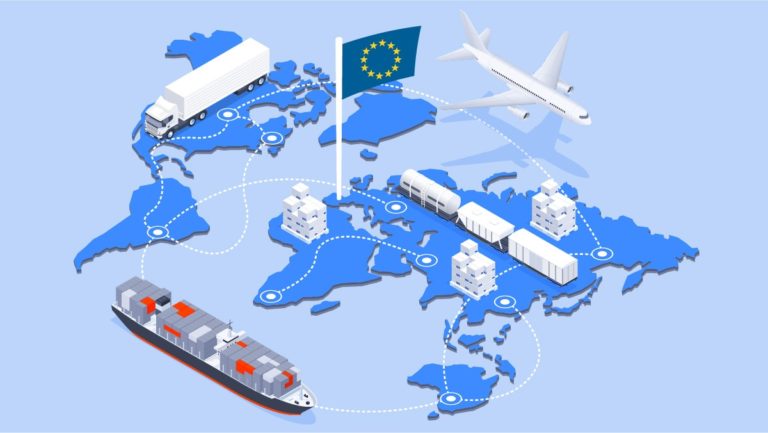

Practical steps for SMEs to effectively meet Lieferkettengesetz requirements. Real-world insights on compliance, risk, and supply chain management.

Operating a small or medium-sized enterprise (KMU) today means facing new regulatory landscapes. The German Lieferkettengesetz (LkSG), or Supply Chain Due Diligence Act, introduces significant responsibilities. Many KMUs believe this only affects large corporations. However, indirect impacts and direct obligations for some cannot be ignored. Our experience shows proactive engagement is key for managing these Lieferkettengesetz Anforderungen KMU. It protects reputation, avoids penalties, and builds resilient supply chains.
Overview
- The Lieferkettengesetz directly impacts some KMUs and indirectly affects many more as suppliers.
- Proactive risk assessment in your supply chain is a foundational requirement.
- Establishing a robust grievance mechanism is crucial for compliance.
- Implementing effective preventative and remedial measures is a core obligation.
- Transparency and consistent documentation are vital for demonstrating due diligence.
- Leveraging existing resources and digital tools can streamline compliance efforts.
- Building long-term, ethical supply chain relationships creates lasting value.
Understanding Your Core Lieferkettengesetz Anforderungen KMU
For many KMUs, the direct applicability of the LkSG might seem distant. The law primarily targets companies with a significant number of employees in Germany. However, if you supply goods or services to a larger entity subject to the LkSG, their requirements will flow down to you. This makes understanding Lieferkettengesetz Anforderungen KMU essential. We have observed that many larger companies now mandate LkSG compliance from their suppliers, regardless of size. This often appears in contracts and supplier codes of conduct.
The core obligations involve human rights and environmental due diligence. This means identifying, assessing, and addressing risks in your own operations and throughout your supply chain. Key areas include child labor, forced labor, unsafe working conditions, and environmental degradation. Start by mapping your direct suppliers. Understand what goods or services they provide. Look at their own ethical and environmental standards. A pragmatic approach avoids unnecessary complexity. Focus on the most significant risks first. This initial assessment is not about perfection, but about demonstrating a diligent effort.
Practical Steps for Meeting Lieferkettengesetz Anforderungen KMU
Meeting these requirements involves several practical steps. First, perform a risk analysis. This means identifying potential human rights and environmental violations within your supply chain. We often advise KMUs to start with their direct suppliers, particularly those in high-risk sectors or geographies. Consider areas like raw material extraction or manufacturing in regions with weaker labor laws. This analysis does not need to be overly complex. Simple questionnaires or existing audit reports can provide valuable insights.
Second, implement preventative measures. This could involve updating supplier contracts to include LkSG-specific clauses. Develop a code of conduct for suppliers. Communicate your expectations clearly. Provide training to your purchasing teams. They need to understand the new standards. Third, establish a robust grievance mechanism. This allows individuals to report human rights or environmental concerns directly. It could be an anonymous hotline or an email address. Ensure it is accessible and known throughout your supply chain, not just within your own company. We’ve seen many smaller businesses successfully integrate this into existing feedback channels.
Leveraging Digital Tools for Due Diligence
Many KMUs worry about the administrative burden of LkSG compliance. Fortunately, digital tools can significantly streamline the process. Supply chain mapping software helps visualize your entire network. Risk assessment platforms can automate the identification of high-risk suppliers or countries. Some solutions even offer supplier self-assessment modules. These tools reduce manual effort and improve data accuracy. They allow you to track compliance status in real-time. This provides better oversight and saves valuable resources.
Using these tools also helps with documentation. The LkSG requires proper record-keeping of your due diligence efforts. Digital platforms offer centralized storage for audits, contracts, and communication. This makes demonstrating compliance to partners or authorities much simpler. Even basic project management tools can help organize tasks related to LkSG. The goal is efficiency without sacrificing thoroughness. Many vendors now offer tailored solutions for smaller companies. Look for scalable options that grow with your business needs. This can make the process less daunting.
Long-Term Compliance and Future-Proofing Lieferkettengesetz Anforderungen KMU
Compliance with Lieferkettengesetz Anforderungen KMU is not a one-time project. It requires continuous effort and adaptation. Regularly review your risk analyses. Update them based on new information or changes in your supply chain. Your grievance mechanism should be evaluated periodically for effectiveness. Keep your preventative measures current. The regulatory landscape itself can evolve. Stay informed about any amendments or new interpretations of the LkSG. Organizations like the German government’s BAFA provide guidance.
Beyond compliance, embedding these principles creates long-term value. It builds trust with customers, investors, and employees. Many consumers, especially in the EU and US, prioritize ethical sourcing. Proactive due diligence reduces the risk of reputational damage. It also fosters more resilient supply chains. You become a more attractive business partner. This commitment positions your KMU for future growth. It demonstrates responsible business practices in an increasingly scrutinized global market. This future-proofs your operations.


