

Get ready for CE-Kennzeichnung Anforderungen 2026. Practical insights on new EU product compliance rules, documentation, and market access.

The landscape of product compliance in the European Union is consistently evolving. Manufacturers and importers must remain vigilant to ensure their products meet the latest safety and environmental standards. The year 2026 brings specific updates and intensified scrutiny for the CE mark, often necessitating a renewed focus on internal processes and documentation. Failing to adhere to these updated requirements can result in market access restrictions, costly recalls, and significant reputational damage. This article provides a practical look at what businesses need to prepare for.
Overview
- CE-Kennzeichnung Anforderungen 2026 emphasize stricter conformity assessment procedures.
- Manufacturers must update their technical documentation and risk assessments to new standards.
- The role of Notified Bodies may expand for certain product categories.
- Post-market surveillance obligations are becoming more stringent, requiring proactive monitoring.
- Importers and authorized representatives face increased responsibility in the supply chain.
- Digitalization of documentation and labeling is a growing trend.
- New environmental and sustainability criteria are integrating into existing directives.
Understanding the Core of CE-Kennzeichnung Anforderungen 2026
The CE-Kennzeichnung Anforderungen 2026 are not an entirely new set of rules but rather an intensification and clarification of existing directives and regulations. These changes stem from a continuous effort by the European Commission to enhance product safety, protect consumers, and ensure fair competition within the single market. Key directives like the Machinery Directive, Low Voltage Directive, EMC Directive, and others are subject to ongoing revisions. Our experience shows that many updates often involve stricter definitions of “essential health and safety requirements” and more detailed conformity assessment modules. Manufacturers need to assess how these updated essential requirements apply to their specific products. This proactive review is critical, even if the primary directive governing your product category does not see a complete overhaul.
In practice, this means reviewing product design against the latest harmonized standards. These standards provide a presumption of conformity. If your product deviates from a harmonized standard, you must demonstrate equivalent safety and performance. This often involves more rigorous testing and a more detailed risk assessment. The objective is to close any potential loopholes and ensure that products placed on the EU market, regardless of their origin (e.g., from the US or Asia), meet the same high safety bar. This consistency is fundamental to the integrity of the CE marking system.
Key Steps in Meeting European Product Safety
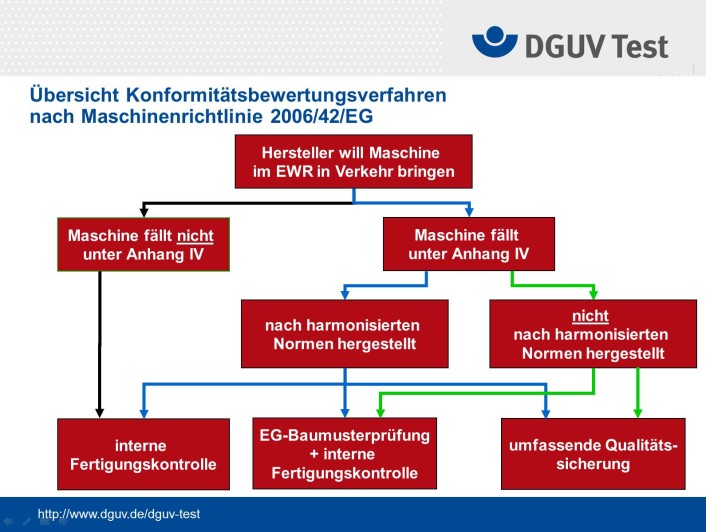
Achieving CE conformity is a structured process that requires diligent execution. The first step involves identifying all applicable EU directives and regulations for your product. This can be complex, as a single product might fall under multiple directives, such as the Low Voltage Directive and the Electromagnetic Compatibility (EMC) Directive. Next, a thorough risk assessment is mandatory. This involves identifying potential hazards, estimating risks, evaluating them, and implementing risk reduction measures. Documenting this process meticulously is paramount. Manufacturers must then determine the appropriate conformity assessment procedure. For certain high-risk products, involvement of a Notified Body is compulsory, meaning an independent third-party assessment. For others, self-declaration is permitted, but the underlying technical file must be robust.
Technical documentation is the backbone of CE compliance. This file must contain all relevant information: product design, manufacturing processes, risk assessments, test reports, and compliance with harmonized standards. Manufacturers often overlook the importance of having this documentation readily available and up-to-date. Finally, the manufacturer issues a Declaration of Conformity (DoC) and affixes the CE mark to the product. It’s not just about placing the mark; it’s about the entire process supporting that claim. Post-market surveillance is also crucial, involving monitoring product performance once it’s on the market and taking corrective actions if necessary.
Practical Challenges for CE-Kennzeichnung Anforderungen 2026
Many companies face practical hurdles in preparing for the CE-Kennzeichnung Anforderungen 2026. One significant challenge is the sheer volume and complexity of the regulatory texts. Interpreting directives and understanding which harmonized standards apply can be time-consuming and requires specialized knowledge. Small and medium-sized enterprises (SMEs) often struggle with resource allocation for these tasks. Another common issue relates to the supply chain. Manufacturers are reliant on their component suppliers meeting specific standards. Ensuring that upstream components are compliant adds another layer of complexity, especially when dealing with global supply chains. We frequently see delays because a critical component lacks adequate documentation or testing.
Moreover, managing the technical documentation effectively is a continuous challenge. It requires a structured system for version control, updates, and accessibility. Digital transformation initiatives are helping here, but many companies still rely on outdated paper-based or disjointed digital systems. The increased emphasis on post-market surveillance also presents a challenge. It demands robust internal processes for feedback collection, incident reporting, and corrective actions. Companies must be prepared to react quickly to any safety concerns or non-conformities that emerge after a product has been placed on the market. The cost of non-compliance far outweighs the investment in proactive preparation.
Documentation and Post-Market Surveillance for CE-Kennzeichnung Anforderungen 2026
The core of successful CE-Kennzeichnung Anforderungen 2026 lies in meticulous documentation and proactive post-market surveillance. The technical file is a living document, not a one-time creation. It must reflect the current state of the product and its compliance throughout its lifecycle. This includes updates for design changes, material modifications, or new safety standards. Manufacturers need a robust system to manage these revisions. The Declaration of Conformity must accurately cite all applicable directives and harmonized standards. Incorrect or incomplete declarations are a common audit finding. Companies should also ensure their user manuals and labeling provide clear safety information and instructions in relevant EU languages.
Beyond initial certification, post-market surveillance (PMS) is gaining increased importance. This involves systematically gathering and reviewing experience from products placed on the market. It means monitoring for incidents, complaints, and any indications of potential safety issues. If a risk is identified, immediate corrective actions are required. These might include design changes, market withdrawals, or safety notices. Importers and authorized representatives also play a crucial role in PMS, acting as a liaison between the manufacturer and market surveillance authorities. Their ability to quickly communicate and facilitate corrective actions is essential for maintaining product safety and market trust.


